2006
Unifying Fury 2026
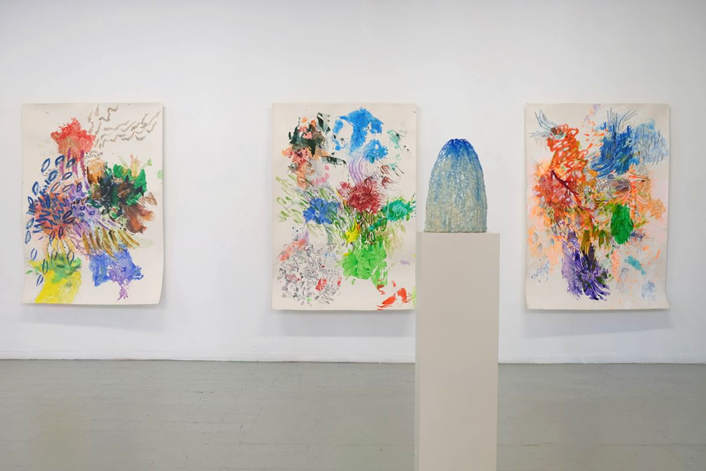
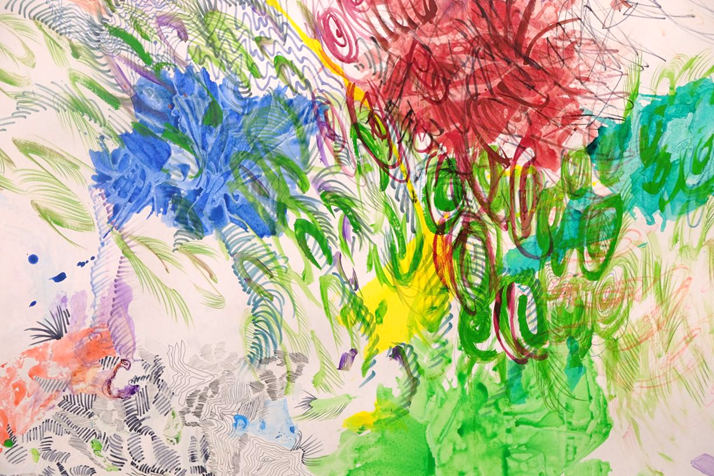
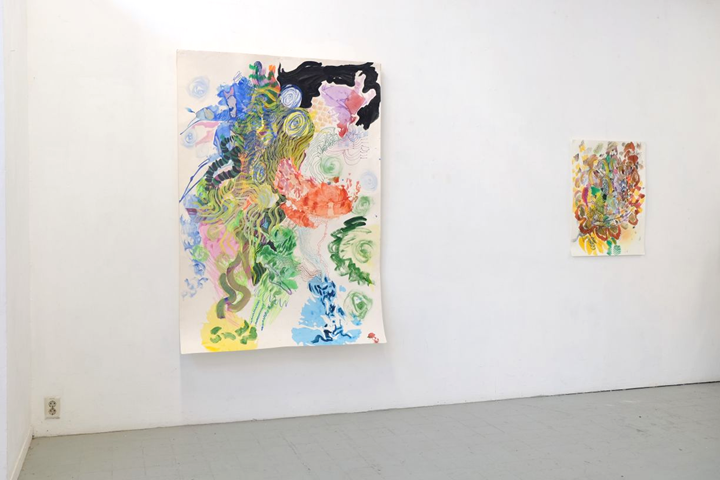
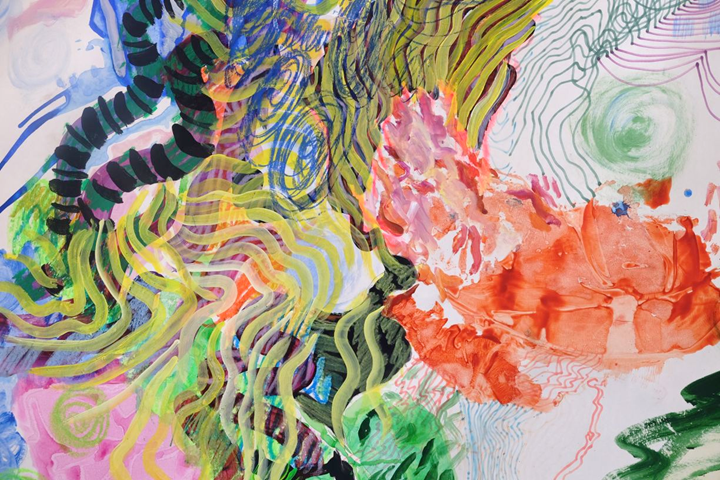

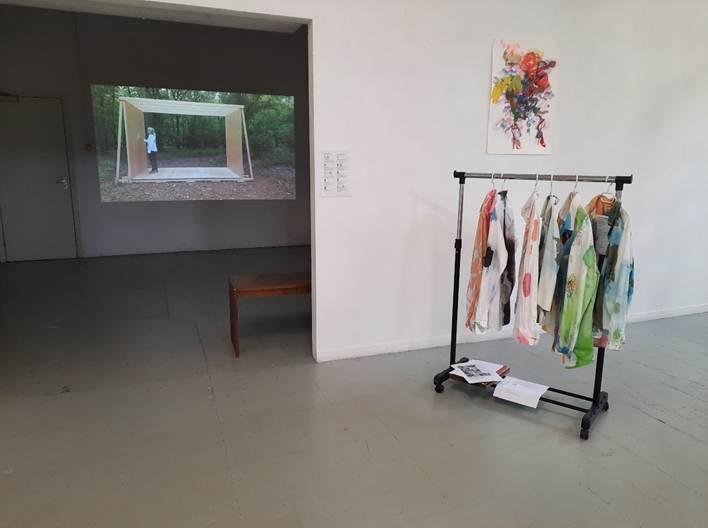
Click to see more about Laundry-Line
This project is kindly supported by 
PERSBERICHT
Tentoonstelling UNIFYING
FURY
Unifying Fury is een toestand
waarin de kunstenaars
van EX-MÊKH keer op keer in terechtkomen
als ze een
tentoonstelling gaan maken.
19 juni opent de
tentoonstelling
van EX-MEKH bij Quartair, Den Haag.
Wie is EX-MÊKH?
In 2006 begonnen 4
kunstenaars met MÊKH.
Als markeerpunt
toonde ze elk 1 werk
in de toen net
opgerichte en
nog volop in verbouwing
zijnde DCR
in Den Haag, op de
plek
waar nu NEST
programmeert.
Een dag daarna
betrok MÊKH)
voor een maand een
projectruimte in de DCR.
Maarten Schepers (een van de initiators van de DCR),
Ellen Rodenberg,
Kees Koomen en
Hans Ensink op Kemna besloten
onder de naam MÊKH
een
tentoonstellings-collectief te zijn.
Uitgangspunt, eigen ontwikkelingen
van hun werk
steeds onder andere
omstandigheden en
op andere plekken te
tonen.
Daarna volgden zelf
geïnitieerde exposities
op gevonden of
aangeboden plekken.
Na enkele jaren
stopte de H en zo ging MÊKH
verder als EX-MÊKH.
De kunstenaars
verkenden binnen hun eigen werk
nieuwe materialen en media
en
met het collectief
werden samenwerkingen
ontwikkeld met ander initiatieven in
binnen- en buitenland die
al jaren duren.
EX-MÊKH is als een entiteit/organisme
met een eigen dynamiek
die gevoed wordt door
drie individuele
kunstenaars die in hun eigen kunstpraktijk
gezamenlijk of persoonlijk relaties aangaan
waarmee ook EX-MÊKH weer
geactiveerd en
gevoed wordt. Een
symbiotische samenwerking.
Wat bindt hen?
Nieuwsgierigheid
naar ontwikkelingen in de wereld,
tegelijk werkend aan
hun eigen ontwikkeling en
de vraag wat de meest
geëigende manier is
om zich daarover te
uiten.
Over:
Maarten
Schepers (1957)
Zijn
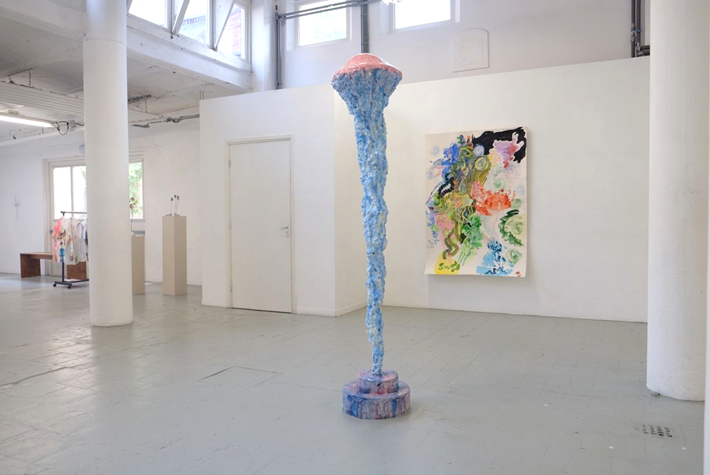
sculpturen vinden hun oorsprong
in de
architectuur als gemaakte wereld en
in
de natuur als ontstane wereld.
Hij
gebruikt hiervoor een verscheidenheid
aan
materialen en technieken.
Waar
de architectonische beelden vaak statisch zijn,
zijn
de beelden die op de natuur geënt zijn dynamisch.
Het
is deze wisselwerking tussen analyse
en
intuïtie die ten grondslag ligt aan zijn kunstenaarschap.
Zijn
beelden zijn daarmee gestolde processen
in
denken en handelen en
nodigen
uit tot interactie en uitwisseling.
Ellen Rodenberg (1955)
‘Tekenen wat het
lichaam zich herinnert
vergt een zoektocht naar
essenties’.
Een gevolg is;
manieren van handelen en
kennis-verzamelen
uitproberen.
Zo wordt het begrip
‘relaties’ onderzocht
in thema’s als
herinneringen, emotie-energie,
de ander zijn, je- en
de natuur,
kleding als beschermend en
communicerend omhulsel
zijn terug te vinden in
verschillende
verschijningsvormen
in schilderijen,
tekeningen installaties, schrijfsels en performances.
Het (westerse) duale
denken tracht ze via haar werk,
bij zichzelf te
doorbreken door de vrije keuzes
tijdens het werkproces als
katalysator te zien
van wat materiaal,
omgeving en gesteldheid
van de kunstenaar, bij
elkaar veroorzaken.
Daar komen
organische vormen,
overlappende kleuren en weefselachtig lijn werk
uit voort die tot
associatief denken aanzetten.
Het associëren samen
met de ander,
lang kijkend naar een
kunstwerk,
over het ‘wat, waar
vandaan en hoe’, werkt verbindend
en is daarmee een
belangrijk onderdeel
van haar kunstpraktijk.
Kees Koomen (1954)
In zijn
dagboekaantekeningen tekent hij op
hoe hij zich als
kunstenaar in deze tijd
verhoudt tot de kunstgeschiedenis,
de maatschappij en de
kunstwereld.
De aantekeningen
zijn de basis voor schilderijen,
tekeningen, tekstwerken, video en performances.
Een begrip als alliance (alliantie, verbond)
wordt zo bijvoorbeeld
politiek, sociaal en
in de verhouding
kunstenaar-beschouwer
geïnterpreteerd in het werk.
Door het schrijven
voor tijdschriften en
in chmkoome’s
blog is tekst als
beeldend gegeven
steeds belangrijker
geworden in zijn werk.
Unifying Fury in Quartair?
Wat is er te zien en
te doen?
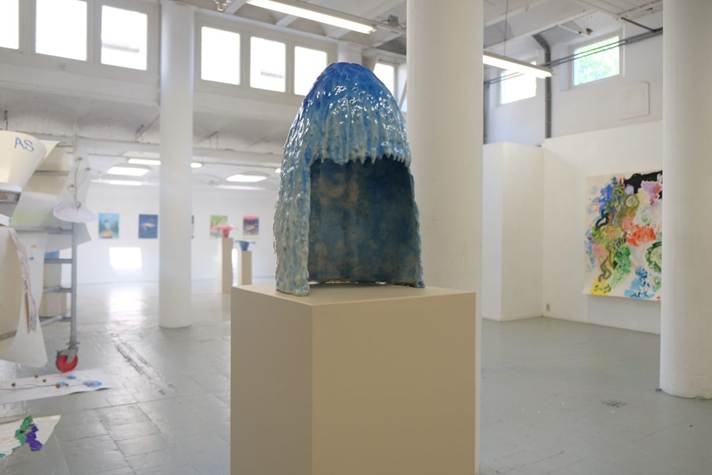
Actueel individueel
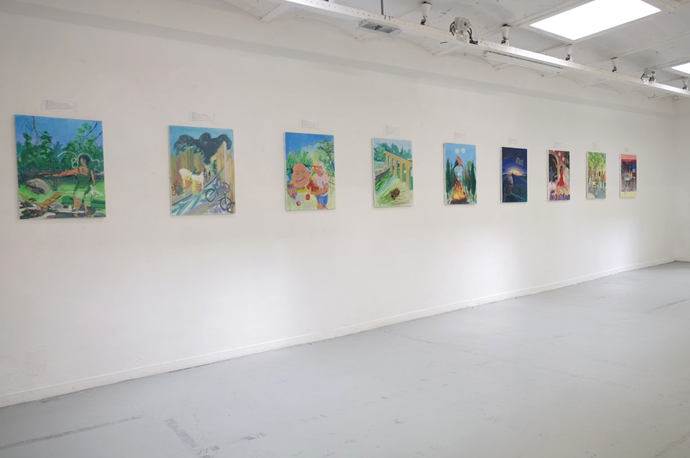
werk met schilderijen,
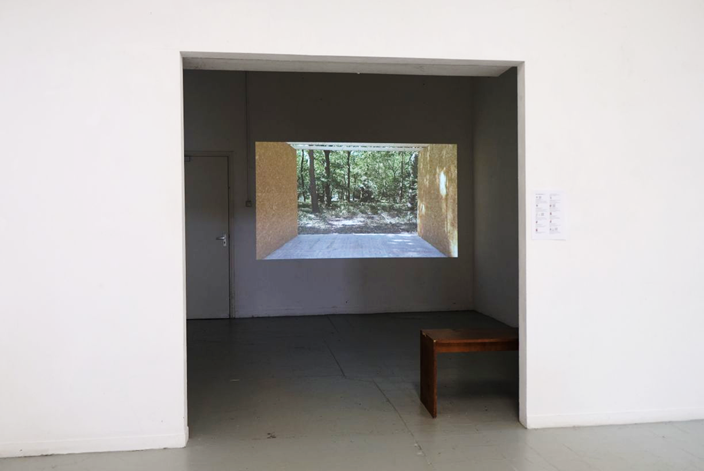
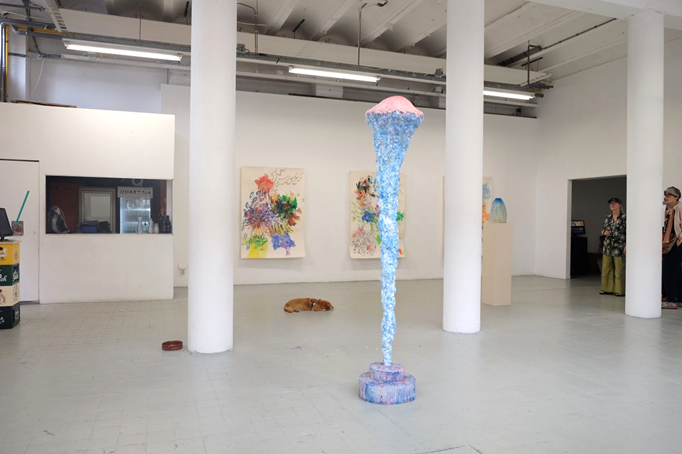
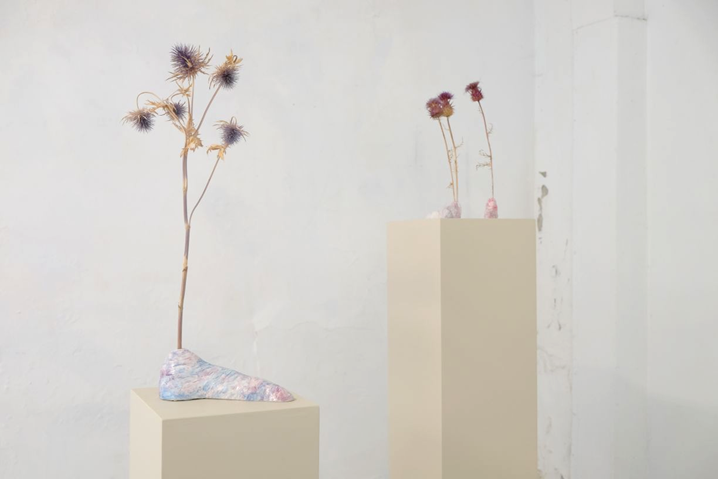
tekeningen en sculpturen, videoregistraties
van performances, een
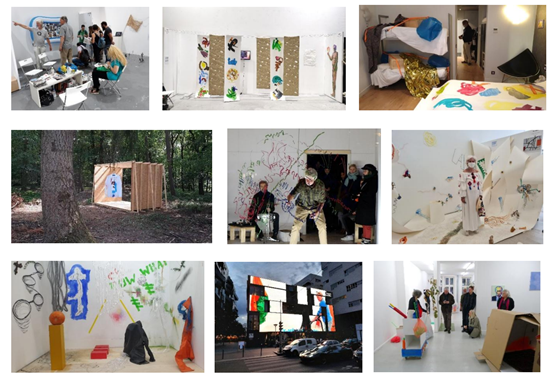
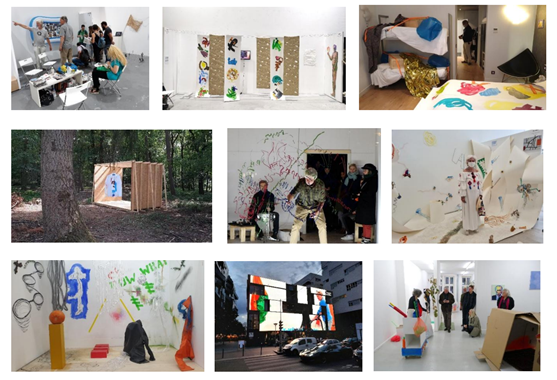
fotoreportage
die samenwerkingen en
kunst-actie-plekken in
beeld brengt
(tevens
een tijdsbeeld 2006 2026).
Tijdens de
tentoonstelling wordt er samen
met het uitgenodigde
publiek
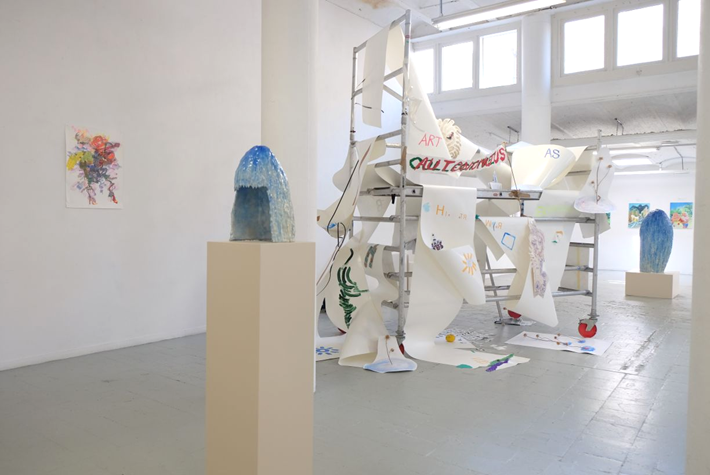
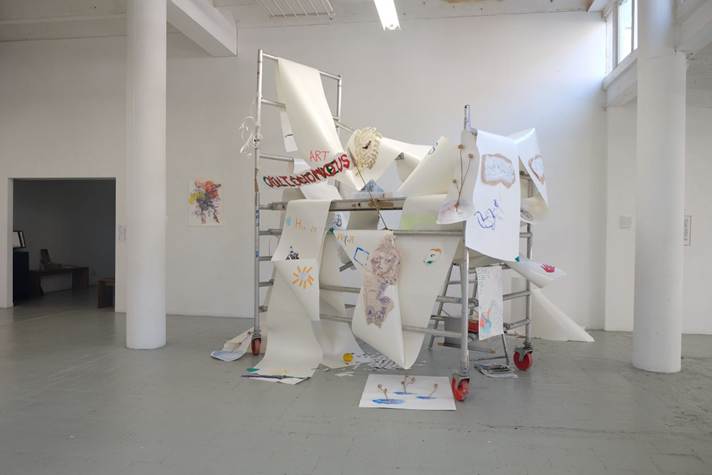
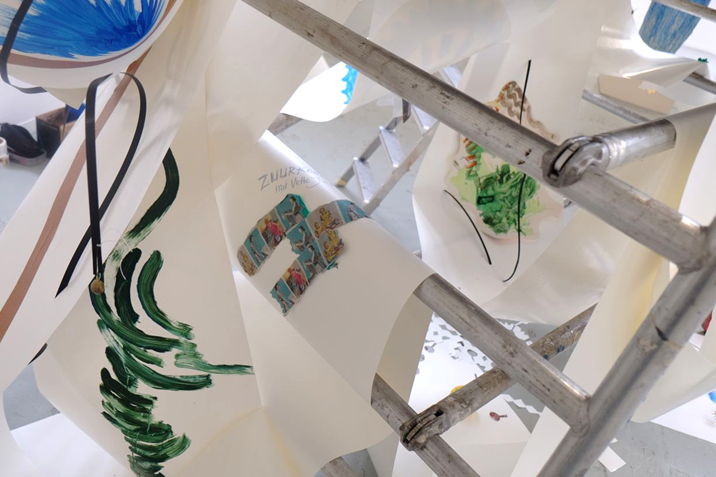
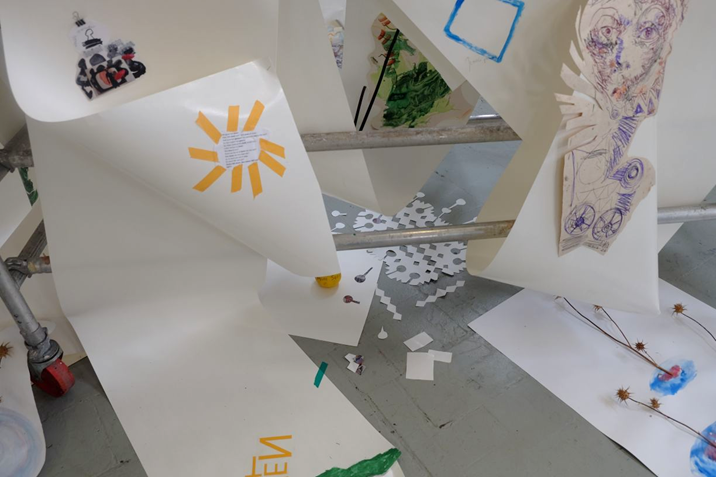
aan The Fury gewerkt,
een grote tijdelijke
sculptuur
die tijdens de finissage ‘expands’
De tentoonstelling zal worden geopend
door EX-MÊKH met als
speciale gast Isolde Nagel,
oprichter en curator van A TRANS uit Berlijn.
Opening: vrijdag, 19
juni – 19.00 uur
Openingstijden:
vr-za-zo 13.00 – 17.30 uur
Finissage: 28 juni vanaf16:00
Periode expositie:
19 - 28 juni 2026
Adres:
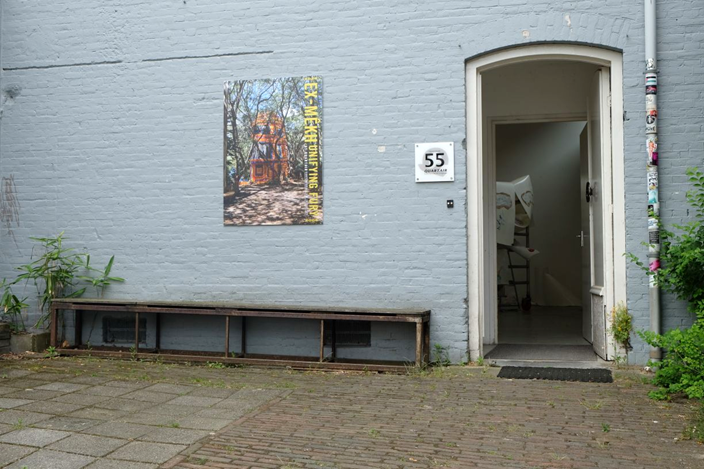
Toussaintkade, nr. 55, Den Haag
Zie ook de socials (echobeach.nl
en mastodon.social)
#exmêkh
ENG
PRESS RELEASE
Exhibition: UNIFYING FURY
Unifying Fury is a condition that the artists of EX-MÊKH find themselves
in time and again when they set out to create an exhibition.
The EX-MEKH exhibition opens on 19 June at Quartair
in The Hague.
Who is EX-MÊKH?
In 2006, four artists founded MÊKH. As a starting point, they each
exhibited one work at the then-newly founded and still-under-construction DCR
in The Hague, at the location where NEST now organizes its programming.
Following that, MÊKH (initials) occupied a project space in the DCR for
a month. Maarten Schepers (one of the DCR’s founders), Ellen Rodenberg, Kees
Koomen, and Hans Ensink op Kemna decided to form an
exhibition collective under the name MÊKH. Their guiding principle was to
continually showcase their own artistic developments under varying
circumstances and in different locations.
This was followed by self-initiated exhibitions in found or offered
spaces. After a few years, the H stopped and MÊKH continued as EX-MÊKH.
Within their own work, the artists explored new materials and media, and
through the collective, collaborations were developed with other initiatives at
home and abroad that have already lasted for years.
EX-MÊKH functions as an entity/organism with its own dynamic, fuelled by
three individual artists who, through their own artistic practices—whether
collectively or individually—forge relationships that in turn reactivate and
nourish EX-MÊKH. A symbiotic collaboration.
What binds them?
Curiosity about developments in the world, while simultaneously working
on their own development and the question of what the most appropriate way is
to express themselves on these matters.
Maarten Schepers (1957)
His sculptures derive their inspiration from architecture as a
constructed world and from nature as a natural world. To this end, he uses a
variety of materials and techniques. Whilst the architectural sculptures are
often static, those rooted in nature are dynamic. It is this interplay between
analysis and intuition that underpins his artistry. His sculptures are thus
crystallised processes of thought and action, inviting interaction and
exchange.
Ellen Rodenberg (1955)
‘Drawing
what the body remembers requires a search for essences.’ One consequence of
this is experimenting with ways of interacting and gathering knowledge. Thus,
the concept of ‘relationships’ is explored in themes such as memories,
emotional energy, being the other, the self and nature, and clothing as a
protective and communicative covering, and can be found in various forms in her
paintings, drawings, installations, writings and performances. Through her
work, she tries to break through (Western) dualistic thinking within herself by
considering the free choices made during the working process as a catalyser of
what the materials, environment and state of mind of the artist evoke together.
This leads to organic forms, overlapping colours and fabric-like line work that
encourage associative thinking. Associating with others, looking at a work of
art for a long time, discussing the ‘what, where from and how’, has a unifying
effect and is therefore an important part of her artistic practice.
Kees Koomen (1954)
In his diary
entries, he reflects on how, as an artist of our time, he relates to art
history, society and the art world. The notes form the basis for paintings,
drawings, text-based works, video and performances. A concept such as
‘alliance’ (alliance, coalition) is thus interpreted in the work in political,
social and artist-viewer terms. Through writing for magazines and on chmkoome’s blog, text as a visual element has become
increasingly important in his work.
Unifying Fury? What is there to see and do?
Current solo work featuring paintings, drawings and sculptures, video
recordings of performances, and a photo reportage capturing collaborations and
sites of artistic action (also a snapshot of the period 2006–2026).
During the exhibition, The Fury – a large temporary sculpture that
‘expands’ during the closing event – will be created in collaboration with the
invited public.
The exhibition will be opened by EX-MÊKH, with special guest Isolde Nagel, founder and curator of A
TRANS from Berlin.
Opening: Friday, 19 June – 7.00 pm
Opening hours: Fri–Sat–Sun 1.00 pm – 5.30 pm
Closing event: 28 June from 4.00 pm
Exhibition dates: 19–28 June 2026
Address: Toussaintkade, no. 55, The Hague